7 Mistakes That Ruin Indian Wedding Photos and How to Avoid Them
ArticlesIndian wedding photos capture once-in-a-lifetime emotions, but small oversights can affect the final memories. Discover seven common mistakes that may ruin your wedding pictures and learn simple ways to avoid them, ensuring every candid moment, celebration, and cherished detail looks beautiful and unforgettable.
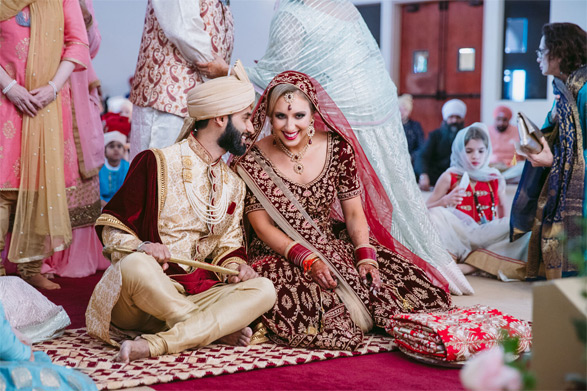
Indian wedding photographs preserve far more than beautifully arranged poses. They hold the nervous excitement before the ceremony, the laughter shared with cousins, the quiet glance between two people, and the details that make each celebration unique. From vibrant haldi ceremonies to emotional vidaai moments, every part of a wedding contributes to a visual story that couples will revisit for years.
Yet even the most carefully planned wedding can have small oversights that affect the final images. A rushed schedule, poor communication, or an overlooked detail may make it difficult for the photographer to capture important moments naturally. The good news is that most wedding photography mistakes are easy to avoid with thoughtful planning.
Here are seven common mistakes that can affect your wedding pictures and simple ways to ensure your memories look as beautiful as the celebration itself.
Leaving Too Little Time for Photography
Indian weddings often include several ceremonies, outfit changes, family rituals, and welcoming traditions. When the schedule is packed too tightly, photography is usually the first part to be rushed. Couples may have only a few minutes for portraits, while the photographer may struggle to capture the details and emotions of each event.
A hurried timeline can also create unnecessary stress. Instead of enjoying the moment, the couple may feel constantly aware of the next ceremony or gathering. This can make candid photographs appear tense and leave little opportunity for meaningful portraits.
A practical solution is to discuss the complete wedding schedule with your photographer in advance. Include preparation time, ceremony timings, family photographs, couple portraits, and travel between venues. Allow a little flexibility for delays, especially when several rituals are taking place on the same day.
If possible, plan portraits during a calm period rather than immediately before an important ceremony. Even a short, well-planned window can help the photographer capture relaxed expressions, beautiful outfit details, and intimate moments between the couple.
Not Sharing the Complete Wedding Schedule
A photographer cannot capture a moment they do not know about. Important family traditions, smaller ceremonies, and meaningful interactions may be missed if they are not included in the schedule shared with the photography team.
This is especially relevant in Indian weddings, where celebrations may take place across several functions and locations. The main ceremony may be the central focus, but the emotional value of a photograph can also come from a quiet pre-wedding ritual, a family blessing, or a special custom followed by the couple.
Prepare a clear schedule that includes every event you would like photographed. Mention the approximate timings, venue details, and any moments that are especially important to you. If a particular family member will perform a ritual or if a specific detail has sentimental value, communicate this beforehand.
It is also helpful to appoint a trusted family member or wedding planner as the photography point of contact. This person can guide the photographer through the day and help identify relatives or moments that should not be missed. Clear communication allows the photography team to work with greater confidence and helps the couple remain present in the celebration.
Forgetting to Plan Family Photographs
Family portraits are among the most cherished wedding pictures, but they can become difficult to organise when there is no plan. Relatives may be moving between ceremonies, attending guests, or preparing for their own responsibilities. As a result, important family members may be absent when the group is ready.
Unplanned family photographs can also take longer than expected. People may not know where to stand, which combinations are required, or who should be called next. This can create confusion and reduce the time available for candid photographs and couple portraits.
Before the wedding, prepare a list of essential family combinations. Include immediate family, grandparents, siblings, close relatives, and any other groups that hold special meaning for you. Keep the list practical rather than trying to include every possible combination.
Share it with your photographer and a family coordinator. The coordinator can gather people quickly and help arrange the order of the photographs. It is often best to begin with larger groups and then move to smaller combinations. This keeps the process organised while ensuring that important family memories are captured without unnecessary delay.
Overlooking the Getting-Ready Moments
The moments before the ceremony often contain some of the most genuine emotions of the wedding day. A bride adjusting her jewellery, a groom preparing with his family, parents watching with pride, or friends sharing quiet laughter can add warmth and depth to the final wedding album.
Many couples focus so heavily on the ceremony that they overlook the preparation period. If the photographer arrives too late or the room is crowded and disorganised, these meaningful details may not be captured as beautifully as they could be.
Set aside time for the photographer to document the getting-ready process. Keep important accessories, invitations, jewellery, shoes, and other wedding details in one place so they can be photographed without a last-minute search. Try to keep the preparation area as calm and uncluttered as possible.
The couple should also avoid feeling pressured to perform for the camera. Natural expressions and small interactions often create the most memorable photographs. Allow the photographer to observe the moment while you focus on enjoying the excitement of getting ready.
Choosing the Photographer Without Understanding the Style
Every photographer approaches wedding photography differently. Some focus strongly on candid moments, while others give more attention to traditional portraits, artistic compositions, or detailed documentation. If the photographer’s style does not match your expectations, you may be disappointed even when the images are technically well captured.
Before making a decision, look carefully at complete wedding galleries rather than only selected photographs. Notice how the photographer captures different ceremonies, indoor and outdoor settings, family portraits, couple expressions, and emotional moments. This will help you understand whether the work reflects the kind of memories you want.
Discuss your priorities openly. You may want a balance of candid wedding photography, traditional family pictures, couple portraits, and detailed photographs of your outfits and décor. Explain what matters most to you and ask how the photographer plans to cover the wedding.
It is equally important to feel comfortable with the person behind the camera. A relaxed connection can help the couple feel natural during portraits and candid moments. When expectations and working styles are clear from the beginning, the photography experience becomes more enjoyable and the final images feel more personal.
Ignoring Lighting and Venue Conditions
Lighting has a significant effect on wedding photographs. Harsh sunlight, dark rooms, colourful artificial lights, or crowded spaces can make it difficult to capture clear and balanced images. Since Indian weddings often include both outdoor and indoor ceremonies, lighting conditions may change several times throughout the day.
Ignoring these conditions can affect portraits, outfit details, and the overall mood of the photographs. A beautiful setting may not look its best if the couple is positioned in an unflattering area or if the space is too dark for natural images.
Discuss the venue with your photographer before the wedding. If possible, share photographs or arrange a visit so that suitable locations for portraits and family pictures can be considered in advance. Think about where the couple can stand comfortably, where family groups can gather, and which areas offer a pleasant background.
The timing of outdoor portraits also matters. Planning them thoughtfully can make the couple more comfortable and help create softer, more flattering photographs. For indoor events, a well-organised space with fewer distractions can make the images appear cleaner and more elegant.
Failing to Be Present in the Moment
One of the most common wedding photography mistakes is becoming too focused on the camera. Couples may worry about their expressions, poses, or appearance and forget to experience the celebration. This can make photographs look forced rather than emotional.
The most memorable wedding pictures often happen when the couple is genuinely engaged with each other and with their loved ones. A smile during a ritual, a quiet exchange before the ceremony, or a spontaneous laugh with friends cannot be recreated easily through a pose.
Trust your photographer’s guidance, but do not feel the need to control every image. During candid moments, focus on the ceremony, the people around you, and the meaning of the occasion. During portraits, take a breath, relax your shoulders, and allow natural expressions to appear.
Couples can also discuss any concerns before the wedding. If you feel uncomfortable with certain poses or prefer a more natural approach, communicate this clearly. A good photography plan should make you feel confident rather than self-conscious.
Treating the Wedding Album as an Afterthought
Wedding photographs are not complete when the images are taken. The way they are selected and arranged can influence how the story of the celebration is remembered. If the album process is rushed, important emotional moments may be left out while too many similar photographs take up space.
Begin by discussing the album approach with your photographer. Think about the story you want it to tell, from the preparations and pre-wedding celebrations to the ceremony, family moments, portraits, and final farewells. Choose photographs that show variety, emotion, and the details that make your wedding personal.
Avoid selecting images only because they are perfectly posed. A slightly imperfect photograph may hold a genuine expression or meaningful interaction that is more valuable than a formal picture. Include a balance of couple portraits, family memories, candid moments, rituals, and wedding details.
Take your time while reviewing the photographs, but keep the selection focused. A thoughtfully arranged album will feel more timeless and allow each important moment to stand out.
A beautiful wedding photography experience depends on more than a skilled photographer. It also requires a realistic timeline, clear communication, thoughtful preparation, and the willingness to remain present throughout the celebration. By planning family photographs, sharing important details, considering lighting, and choosing a photography style that feels right, couples can avoid small oversights that affect their final memories.
Most importantly, remember that wedding photographs are meant to reflect the feeling of the day. Enjoy the rituals, laugh with your family, hold on to the quiet moments, and celebrate without constantly worrying about the camera. When the couple feels comfortable and present, the photographs naturally become more expressive, personal, and unforgettable.