Candid vs Traditional Wedding Photography: Which Style Is Right for You?
Wedding PhotographerChoosing between candid and traditional wedding photography can shape how your special day is remembered. Explore the key differences between both styles, understand which approach suits your wedding vision, and find the perfect way to capture cherished moments, family portraits, emotions, and celebrations beautifully.
Candid vs Traditional Wedding Photography: Which Style Is Right for Your Celebration?
Wedding photography does more than preserve beautiful pictures. It captures the atmosphere, emotions, people, and traditions that make your celebration meaningful. Years later, your photographs will help you revisit the excitement of getting ready, the warmth of family gatherings, the joy of the ceremony, and the moments that passed in between.
Among the most important decisions couples make is choosing between candid and traditional wedding photography. Both styles have their own character, purpose, and visual appeal. Traditional photography is structured, composed, and ideal for documenting important rituals and family portraits. Candid photography is spontaneous, expressive, and focused on genuine emotions as they unfold.
Understanding the difference between these two approaches can help you choose a photography style that reflects your wedding vision. Whether you prefer carefully arranged portraits, natural moments, or a thoughtful combination of both, the right choice will ensure that your wedding memories feel personal and timeless.
What Is Traditional Wedding Photography?
Traditional wedding photography focuses on planned, posed, and carefully arranged images. The photographer usually guides the couple, family members, and guests into specific positions before taking the picture. These photographs are created with attention to composition, symmetry, expressions, and the visibility of important details.
This style is especially well suited to Indian weddings, where family portraits and ceremonial moments hold great importance. A traditional photographer may capture the couple during the wedding rituals, portraits with parents and grandparents, photographs with close relatives, and group pictures with friends. The approach ensures that the people and moments you most want to remember are formally documented.
Traditional wedding photographs often have a timeless quality. They provide a clear record of who was present, what was happening, and how everyone looked on the day. For families who value complete documentation and beautifully arranged portraits, this style can be a reliable and meaningful choice.
The Strengths of Traditional Wedding Photography
One of the greatest advantages of traditional photography is its ability to capture important people together. Weddings bring families and loved ones into one place, and group portraits create a lasting record of these relationships. A well planned family photograph can become one of the most treasured images in a wedding album.
Traditional photography is also ideal for documenting ceremonial details. Important rituals, exchange of garlands, blessings, and other significant moments can be photographed with clarity. Since the photographer is focused on the event and its structure, the images often provide a complete visual account of the celebration.
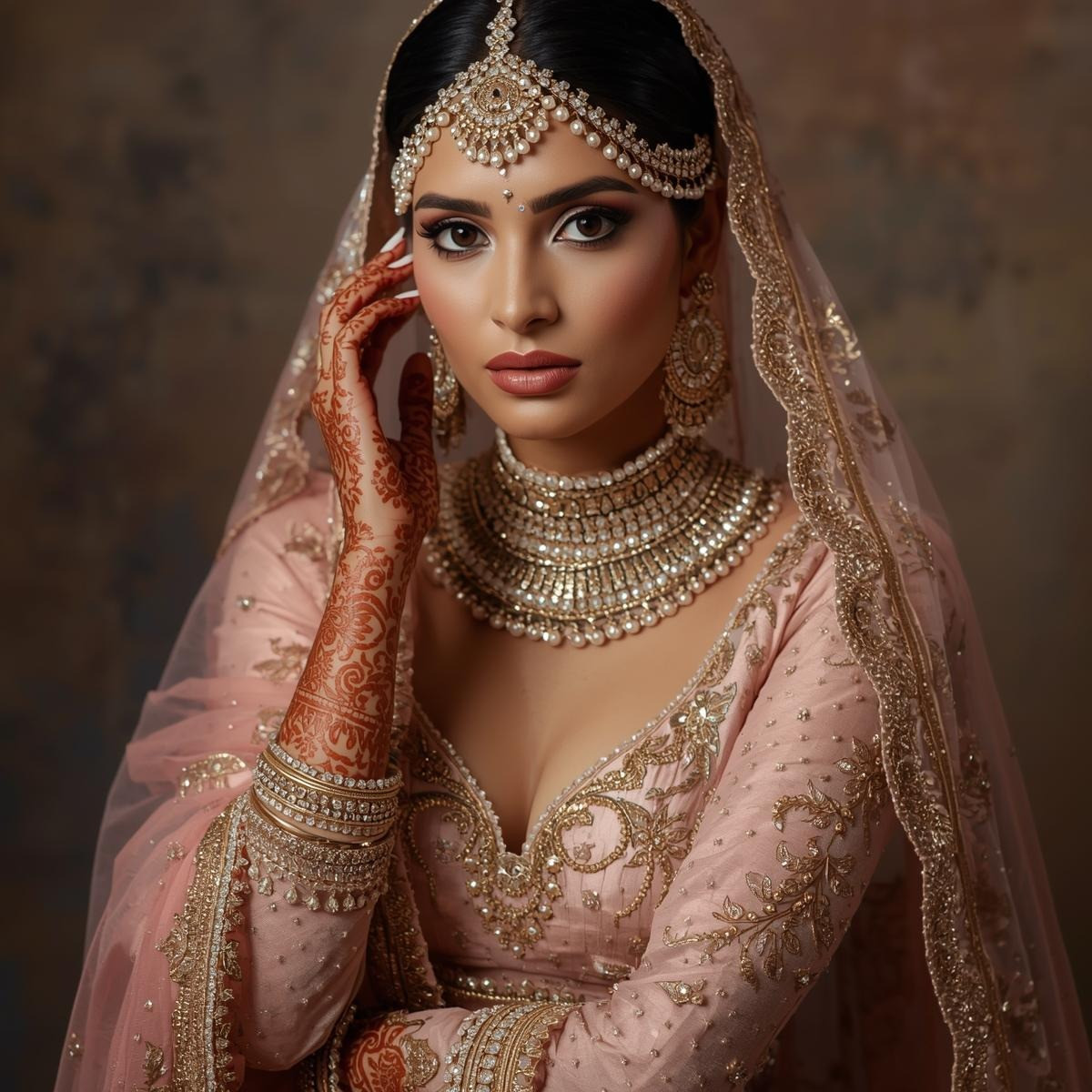
Posed portraits can also give couples the opportunity to present themselves with intention. From the bridal outfit and jewellery to the groom’s attire and wedding décor, every detail can be arranged to look its best. These photographs are particularly useful when you want elegant images that highlight your styling and overall wedding setting.
For couples who are comfortable taking direction, traditional photography can also create a calm and organised experience. The photographer can guide you on where to stand, how to position yourself, and when to look at the camera, making the process easier for those who may not feel confident in front of it.
What Is Candid Wedding Photography?
Candid wedding photography captures moments as they happen naturally. Instead of asking people to pose, the photographer observes the celebration and photographs genuine reactions, interactions, and emotions. The focus is often on movement, expression, and the atmosphere of the occasion.
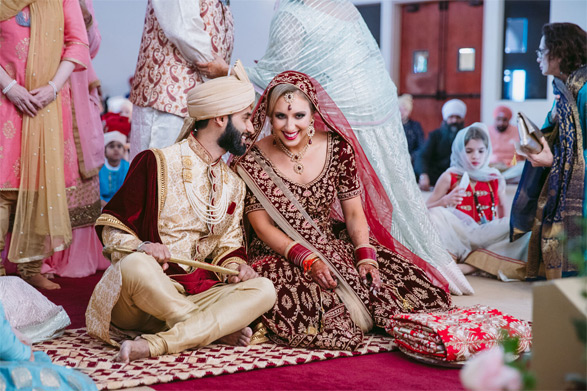
A candid wedding photographer may capture a bride sharing a quiet moment with her family, a groom laughing with friends, a parent watching the ceremony, or guests enjoying a celebration. These photographs are usually less formal and more spontaneous. They tell the emotional story of the wedding through small gestures and unplanned moments.
Candid photography is particularly appealing to couples who want their wedding album to feel natural and personal. It allows the images to reflect the real mood of the day rather than only showing arranged portraits. The result can be a collection of photographs filled with laughter, anticipation, affection, excitement, and joy.
The Strengths of Candid Wedding Photography
The most distinctive quality of candid photography is its emotional depth. Natural expressions often reveal how people truly felt in a moment. A smile, a glance, a tear, or a burst of laughter can say more than a carefully posed image. These photographs allow couples to remember not only what the wedding looked like, but also how it felt.
Candid photography can also make the wedding album feel more personal. It captures the connections between people and the moments that may otherwise go unnoticed. A conversation between relatives, a friend helping with wedding preparations, or a quiet exchange between the couple can become an important part of the visual story.
Another benefit is that candid photography allows the celebration to continue without constant interruption. Guests can enjoy the event more freely while the photographer works discreetly around them. Couples who feel uncomfortable posing for long periods may also find this approach more relaxed.
Candid images are often especially effective during energetic celebrations. Dancing, laughter, ceremonies, and emotional family moments can be photographed with a sense of movement and spontaneity. They bring variety and energy to a wedding album.
Key Differences Between Candid and Traditional Photography
The main difference lies in how the photographs are created. Traditional photography involves direction and arrangement, while candid photography relies on observation and timing. In traditional images, the photographer decides how people should stand or sit. In candid images, the photographer waits for a meaningful moment to occur naturally.
The two styles also differ in the way they present emotion. Traditional photographs often show expressions that are consciously presented to the camera. Candid photographs capture reactions without preparation. Neither approach is better than the other; they simply create different kinds of memories.
Traditional photography gives greater emphasis to completeness and formality. It ensures that key people and important rituals are recorded clearly. Candid photography gives greater emphasis to atmosphere and feeling. It captures the in between moments that make the celebration unique.
The experience for the couple can also vary. Traditional photography may require dedicated time for portraits and family photographs. Candid photography usually allows the couple to remain involved in the celebration while the photographer documents what is happening around them.
Which Photography Style Suits Your Wedding Vision?
The right photography style depends on the kind of memories you want to see in your wedding album. Begin by thinking about the images that matter most to you. Do you imagine elegant portraits with your family and carefully arranged photographs of your attire? Or do you see yourself revisiting candid laughter, emotional glances, and spontaneous moments?
If family portraits are a priority, traditional photography should form an important part of your plan. Indian weddings often include several generations and many close relationships, making organised photographs valuable. These pictures can ensure that parents, grandparents, siblings, relatives, and friends are all included.
If emotions and natural interactions are more important to you, candid photography may suit your preferences. Couples who want their album to feel expressive and unscripted often appreciate the way candid images preserve the atmosphere of the day.
Your comfort in front of the camera is another factor to consider. If you enjoy being guided and want polished portraits, traditional photography may feel natural. If you prefer to stay immersed in the celebration and do not want frequent posing, candid photography may be more comfortable.
The scale and pace of your wedding can also influence your decision. A celebration with several rituals and gatherings may benefit from traditional documentation to ensure that every important stage is clearly captured. At the same time, a lively event with many interactions may offer wonderful opportunities for candid photographs.
Combining Candid and Traditional Photography
Many couples do not need to choose only one style. Combining candid and traditional wedding photography can provide a complete and balanced record of the celebration. Traditional photographs can document family portraits, couple portraits, and essential rituals, while candid photographs can preserve natural emotions and spontaneous interactions.
A combined approach is especially useful when you want both structure and storytelling. You can set aside time for formal portraits with your immediate family and close relatives, then allow the photographer to capture the rest of the day naturally. This creates a wedding album with a thoughtful mix of composed images and genuine moments.
Before the wedding, discuss your priorities clearly with the photographer. Share which family members must be included, which rituals are especially important, and what kind of emotions or interactions you hope to preserve. This helps the photography team understand your expectations and plan their approach accordingly.
Planning the Photography Experience
A little planning can make either photography style more effective. Create a clear understanding of the key moments you want documented. For traditional photography, consider the family groups and couple portraits that should be arranged. For candid photography, identify the parts of the celebration where emotions, conversations, and movement are likely to be central.
It is also important to communicate your preferred balance between posing and natural photographs. Some couples may want a short, focused portrait session, while others may prefer more time for formal images. Discussing this in advance helps the day flow more smoothly.
When reviewing a photographer’s work, look beyond individual photographs. Consider whether their overall style reflects the mood you want for your wedding. Notice how they handle family portraits, expressions, ceremony details, couple photographs, and celebrations. A consistent visual approach is often more valuable than a few striking images.
You should also choose a photographer who understands your comfort level. The best photographs are created when the couple feels relaxed and understood. Clear communication before the wedding can help build trust and make it easier to enjoy the experience.
Creating a Wedding Album That Feels Complete
A meaningful wedding album should reflect both the important events and the emotions surrounding them. Traditional photographs can establish the structure of the celebration, beginning with family portraits and couple images and continuing through the main rituals. Candid photographs can add depth by showing what happened between those formal moments.
Together, these images can create a fuller story. A posed photograph may show the couple with their parents, while a candid image may capture the emotion immediately before or after it. A traditional ceremony photograph can document the ritual clearly, while a candid image can preserve the reactions of the people watching.
The most memorable albums often feel personal rather than simply perfect. They include the people you love, the details you carefully chose, and the emotions that made the day yours. Choosing the right balance between candid and traditional photography allows your photographs to remain meaningful long after the celebrations are over.
Making the Final Choice
There is no single correct answer when choosing between candid and traditional wedding photography. Traditional photography offers clarity, structure, family portraits, and timeless presentation. Candid photography offers spontaneity, emotion, natural expressions, and a sense of the celebration as it truly unfolded.
Think about your family’s expectations, your personal comfort, the rituals you want documented, and the kind of wedding memories you hope to revisit. If you value both formal documentation and genuine emotion, a combination of the two styles may be the most suitable choice.
Your wedding photographs should feel like an honest reflection of your celebration. Whether they are carefully posed, naturally captured, or thoughtfully created through both approaches, they should preserve the people, emotions, and moments that made your wedding unforgettable.